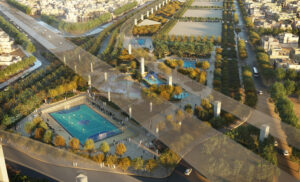
As Saudi Arabia accelerates its transformation under Vision 2030, cities are being reimagined to become more sustainable, livable, and environmentally resilient. Green infrastructure is playing an increasingly important role in this transformation, with landscapes that do far more than enhance visual appeal.
Today’s landscapes must perform.
They must help conserve resources, adapt to harsh environmental conditions, and contribute to healthier, more comfortable urban environments. Climate resilience is no longer an added benefit—it has become an essential requirement for successful landscape development.
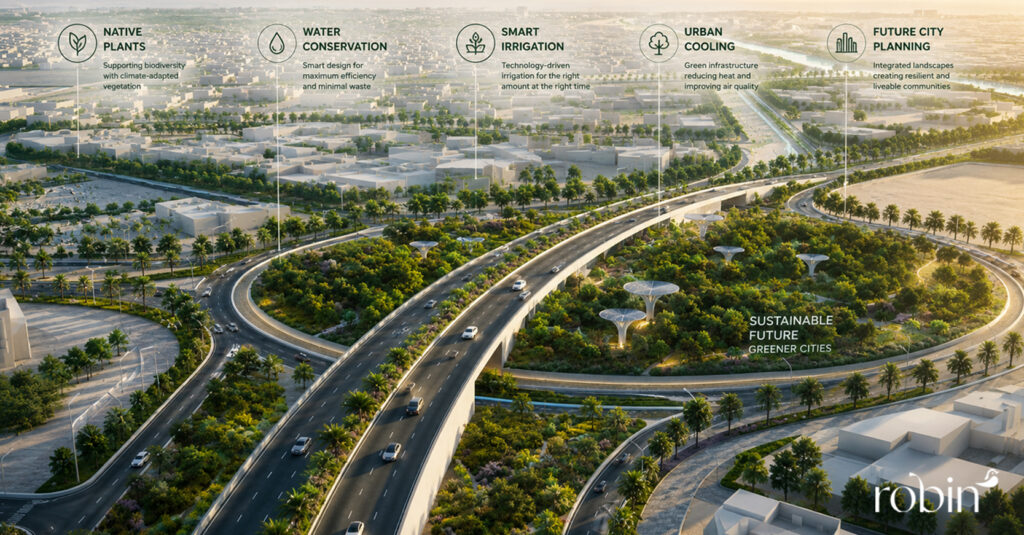
Building Landscapes That Endure
Developing landscapes in Saudi Arabia presents unique environmental challenges. High temperatures, water scarcity, and demanding site conditions require a different approach to execution.
Successful landscape development depends on solutions that are built to perform over the long term, including:
Climate-appropriate plant selection
Efficient irrigation infrastructure
Healthy soil preparation and management
Construction practices that support long-term plant establishment
When these elements work together, landscapes become more resilient, require fewer resources, and deliver lasting value.
Water Efficiency Starts Underground
One of the most important components of climate-resilient landscapes is effective water management.
Modern irrigation systems allow water to be delivered precisely where and when it is needed, reducing waste while supporting healthy plant growth. Combined with proper infrastructure and ongoing monitoring, these systems improve efficiency and help preserve one of the region’s most valuable resources.
As sustainability expectations continue to rise, water-efficient landscape infrastructure is becoming the benchmark for responsible development.
Supporting Saudi Arabia’s Greener Vision
Across the Kingdom, ambitious projects are integrating green spaces into residential communities, commercial districts, hospitality destinations, and public developments.
These landscapes contribute to:
Improved outdoor comfort through natural shading
Reduced urban heat impacts
Enhanced public wellbeing
Increased biodiversity
More sustainable and attractive communities
Delivering these outcomes requires more than a vision—it requires careful planning, technical expertise, and reliable execution.
The Future of Landscape Development
Climate resilience is changing how landscapes are delivered.
Developers, municipalities, and project owners increasingly expect landscapes that balance environmental responsibility with long-term operational performance.
This means investing in infrastructure that not only looks exceptional on completion day but continues to thrive for years to come.
As Saudi Arabia continues building the cities of tomorrow, climate-resilient landscape development will remain a key contributor to creating places where people, communities, and nature can flourish together.
At Robin, we believe successful landscape development goes beyond installation. It is about delivering resilient outdoor environments that support sustainability goals, perform in challenging climates, and create lasting value for future generations.