In many projects, landscaping is discussed in terms of design—concepts, visuals, and plans.
But what ultimately determines success is the execution.
At scale, landscaping becomes a matter of engineering, logistics, and long-term performance. Without the right development partner, even the strongest design intent can fail to translate on the ground.
From Plans to Reality
Turning a landscape concept into a functioning environment involves:
• Site preparation and soil conditioning at scale
• Infrastructure for irrigation and drainage
• Selection and sourcing of plant material suited for climate conditions
• Coordinated execution across large areas and multiple phases
This is where landscape development plays a critical role, bridging the gap between vision and reality.
The Complexity of Scale
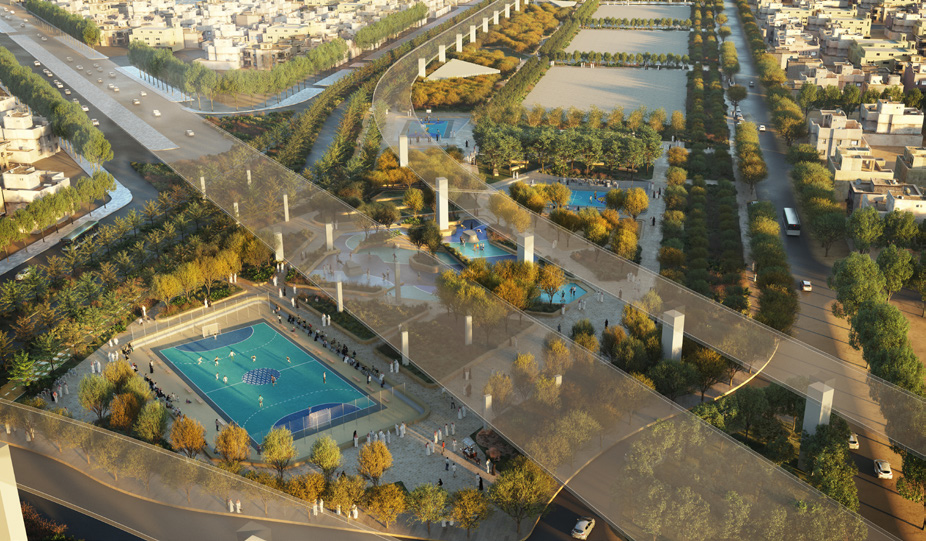
Large-scale projects, whether residential communities, commercial developments, or public spaces, come with unique challenges:
• Thousands of square meters to manage
• Strict timelines aligned with construction milestones
• Climate constraints that impact plant survival and maintenance
• Consistency across the entire site
Execution at this level requires systems, planning, and technical expertise.
In regions with demanding environmental conditions, landscape development must be resilient by design.
That means:
• Implementing efficient irrigation systems that optimize water use
• Ensuring proper soil preparation for long-term plant health
• Selecting vegetation that can withstand heat and seasonal variation
• Structuring landscapes to reduce ongoing maintenance costs
Coordination Is Everything
Landscape development sits at the intersection of multiple disciplines:
• Civil works
• Architecture
• Infrastructure
• Environmental planning
Without proper coordination, delays, inefficiencies, and cost overruns become inevitable.
A strong development partner ensures alignment across all stakeholders, keeping projects on track from groundwork to final delivery.